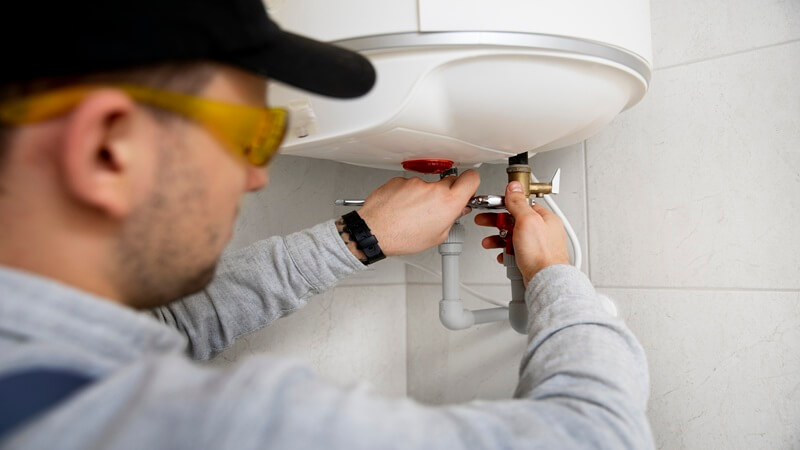
Replacing a gas hot water system can be a significant home investment, and understanding what influences the gas hot water system price helps homeowners budget effectively. Several factors impact the total cost, ranging from the type of unit to installation complexity, making it important to plan ahead and choose the right solution for your household.
Unit Size and Capacity
The size of the hot water system is one of the main cost drivers. Larger tanks that supply more hot water for multiple bathrooms or high-demand households naturally cost more. When selecting a unit, consider the number of occupants, typical water usage, and peak demand periods. Oversized systems may lead to unnecessary expenses, while undersized units can leave you running out of hot water during busy times.
Brand and Model Choice
Different manufacturers offer a variety of gas hot water systems, and the model you choose affects pricing. High-end models with advanced features such as energy-efficient burners, smart controls, or built-in safety functions generally come at a premium. Even though more basic models are less expensive upfront, they may have shorter lifespans or higher running costs.
Energy Efficiency and Technology
Energy-efficient systems often cost more initially but provide long-term savings on utility bills. Systems with higher energy ratings or condensing technology maximize heat extraction from gas, reducing fuel consumption. While these units increase the upfront gas hot water system price, they offer better efficiency, lower emissions, and longer-term cost benefits.
Installation Complexity
The difficulty of installation can significantly impact the overall cost. Factors that add complexity include:
- Relocating the system to a different part of the home
- Updating old or corroded pipes
- Installing venting for flue gases
- Integrating with existing heating or solar setups
Professional installers may charge more for challenging installations, but proper setup ensures safety, optimal performance, and compliance with local regulations.
Maintenance and Warranty Coverage
Long-term value is influenced by the warranty and maintenance requirements. Systems with extended warranties or low-maintenance designs might cost more upfront but save money over time. Some units include corrosion-resistant tanks, self-cleaning mechanisms, or easily replaceable components, reducing ongoing service costs.
Location and Accessibility
Where the gas hot water system is installed also affects pricing. Units placed in tight spaces, high locations, or areas with difficult access require extra labour for installation and servicing. Similarly, regional differences in labour rates or product availability can influence the total price.
Additional Features and Accessories
Optional extras can add to the gas hot water system price. These might include:
- Advanced thermostatic controls
- Remote monitoring or smart home integration
- Anti-scald valves or pressure regulators
- Protective covers or enclosures for outdoor installations
While not strictly necessary, these features improve convenience, safety, and longevity.
Final Thoughts
The cost of replacing a gas hot water system is determined by a combination of unit size, model, energy efficiency, installation complexity, and optional features. Understanding these factors helps homeowners plan their budget and select a system that meets both immediate and long-term needs. Investing in a quality unit with professional installation ensures consistent hot water supply, energy savings, and peace of mind for years to come.
For more info visit Pocketmemories