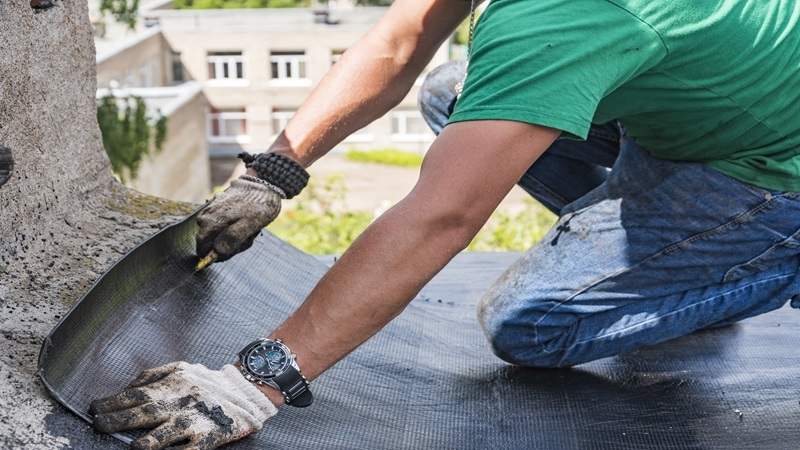
Uncoupling membranes are critical components in modern tile installations, designed to prevent cracks and failures caused by substrate movement. Whether you’re installing tile over concrete, plywood, or heated floors, understanding how uncoupling membranes work and when they are necessary can significantly increase the durability and lifespan of your flooring system.
Used in residential and commercial applications, these uncoupling membranes create a protective layer between the tile and the subfloor, reducing stress transfer and improving performance in demanding conditions.
What Are Uncoupling Membranes?
Uncoupling membranes are thin, flexible sheets installed between the subfloor and tile covering. They are typically made from polyethylene or similar materials and feature a grid or cavity structure that allows mechanical bonding with thinset mortar.
Their primary purpose is to separate (or “uncouple”) the tile layer from the substrate. This separation prevents cracks in the subfloor from transferring directly to the tile surface, reducing the risk of tile and grout failure.
How Do Uncoupling Membranes Work?
Uncoupling membranes work by managing movement between different layers of the flooring system. Subfloors expand, contract, and shift due to temperature changes, moisture fluctuations, and structural settling. Tile, however, is rigid and does not tolerate movement well.
The membrane absorbs and redistributes horizontal stresses through its cavity or dovetail design. Instead of allowing stress to travel upward into the tile, it dissipates movement within the membrane layer itself. This significantly reduces cracking and delamination.
Many uncoupling membranes also provide waterproofing and vapor management benefits. Some designs allow moisture beneath the tile covering to evaporate, helping protect installations over concrete slabs.
Do I Need an Uncoupling Membrane?
An uncoupling membrane is not mandatory in every tile installation, but in many cases, it is strongly recommended.
It is particularly necessary when installing tile over substrates prone to movement, such as plywood or OSB subfloors. Wood expands and contracts with humidity changes, making uncoupling membranes highly beneficial in these applications.
They are also recommended in the following situations:
- Over concrete slabs that may develop shrinkage cracks
- In areas with in-floor heating systems
- On new construction, where structural movement is expected
- Over substrates with minor hairline cracking
If installing tile over a stable, well-cured concrete slab with minimal movement risk, an uncoupling membrane may not be strictly required. However, it provides additional protection that can extend the lifespan of the installation.
How to Install an Uncoupling Membrane
Proper installation ensures the membrane performs as intended.
First, prepare the substrate. The surface must be clean, flat, and structurally sound. Remove dust, debris, and contaminants that could interfere with bonding.
Next, apply thinset mortar to the subfloor using the trowel size recommended by the membrane manufacturer. Embed the uncoupling membrane into the fresh mortar, pressing it firmly to ensure full contact and eliminate air pockets. A float or roller can help achieve proper adhesion.
Once installed, allow the mortar to set according to the manufacturer’s guidelines. Some systems allow tile installation immediately, while others recommend waiting.
Finally, apply thinset mortar over the membrane surface, filling the cavities completely before laying tile. Proper mortar coverage is essential to ensure mechanical bonding between the tile and membrane.
Uncoupling Membranes and Heated Floors
Uncoupling membranes are commonly used with electric radiant floor heating systems. Some membrane systems are specifically designed to hold heating cables within their structure, simplifying installation and ensuring consistent cable spacing.
In heated floor applications, the membrane serves two functions: managing substrate movement and supporting the heating system. This combination improves durability and reduces the risk of tile cracking due to thermal expansion.
Benefits of Using Uncoupling Membranes
The main benefit of uncoupling membranes is crack prevention. By isolating the tile layer from structural movement, they protect against costly repairs and premature failure.
Additional advantages include:
- Improved tile longevity
- Better stress distribution
- Moisture management (in certain systems)
- Compatibility with radiant heating systems
They also simplify complex installations by creating a predictable, stable surface for tile bonding.
Conclusion
Uncoupling membranes play a crucial role in modern tile installations by preventing stress transfer from the substrate to the tile surface. While not always mandatory, they are highly recommended over wood subfloors, concrete slabs with cracking risk, and heated flooring systems.
Understanding how uncoupling membranes work and installing them correctly ensures long-term durability, reduces cracking, and protects your investment in tile flooring. In many cases, adding this protective layer is a small step that delivers significant long-term performance benefits.