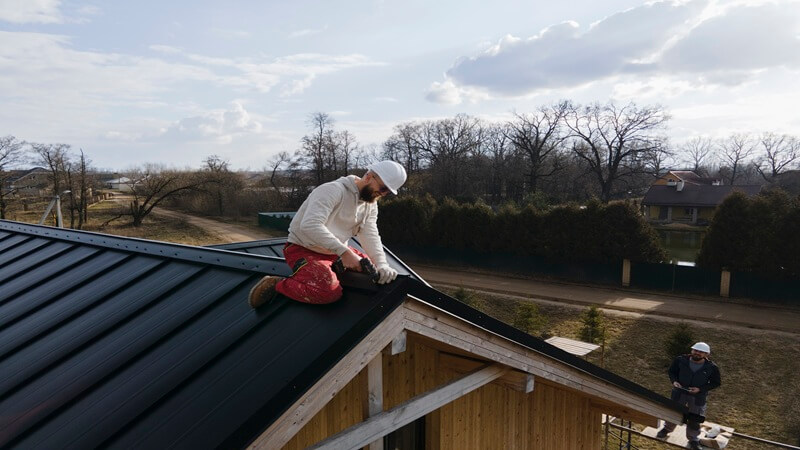
When planning a roof replacement, understanding which factors affect cost can help homeowners invest wisely. Each project is unique, shaped by factors such as materials, labor, structural complexity, and local regulations. For comprehensive details about the process and specific local considerations, explore https://jrcousa.com/kansas-city/roof-replacement/ for valuable insights into roof replacement options.
The costs associated with roof replacement can vary widely from one home to the next. Factors such as material availability, your roofing contractor’s expertise, and seasonal demand create a complex pricing landscape. Considering these variables ensures you make informed decisions that protect your home’s value while fitting your budget.
Another factor to consider is how roof complexity and accessibility affect labor hours, potentially increasing overall project expenses. Municipal regulations also introduce permitting requirements and mandatory inspections that are critical to compliance, often influencing your project’s bottom line.
In addition to these technical and logistical elements, timing also plays a significant role in cost. Scheduling your replacement job outside of peak periods could help save money, depending on your local climate and contractor availability.
Material Selection and Availability
The choice of roofing material directly impacts the total cost of a roof replacement. Asphalt shingles typically offer the most budget-friendly option, while premium options such as metal panels or synthetic shakes cost more. Recently, tariffs on imported steel and aluminum have led to a 25% increase in metal roofing costs. Availability is another concern, as supply chain disruptions can lead to higher prices or limited options. Selecting widely available materials can help control costs; however, quality and long-term durability should remain top priorities.
Labor Costs and Contractor Expertise
Labor is a substantial portion of the overall invoice, usually accounting for 40-60% of the total cost. Pricing can fluctuate based on the size and experience of the roofing crew as well as the contractor’s professional certifications. Hiring a contractor with manufacturer certifications may cost more upfront, but can provide better warranties and increased installation quality. In addition, seasoned crews can handle complex installations efficiently, minimizing the risk of costly mistakes or delays.
Roof Size, Design, and Accessibility
The dimensions and architectural style of a roof are critical in determining replacement costs. A simple, single-story roof is less labor-intensive than one with steep slopes, multiple gables, or a complex footprint. Homes with difficult access (such as multi-story structures or landscaping that impedes movement) often require specialized equipment and additional safety precautions, thereby increasing labor costs. Each added challenge can result in extended project timelines and higher bills, especially if scaffolding or safety harnesses are required.
Permits, Building Codes, and Inspections
Most municipalities require permits for major roofing projects. Permit fees can differ widely depending on your location and project complexity. Updated building codes designed to withstand local weather patterns (such as wind-resistant materials in hurricane-prone areas) might necessitate additional materials or methods, influencing the final cost. Regular inspections enforced by local authorities also add a layer of expense but play a vital role in ensuring your home meets all safety standards. Budgeting for these mandatory processes helps avoid unwelcome surprises during the installation.
Timing and Seasonal Considerations
Roofing demand fluctuates throughout the year. Most homeowners pursue replacements from late spring through early fall, which is considered peak season. During these periods, contractors may charge premium rates due to high demand. On the other hand, scheduling a project during less-busy months (late fall or winter) can lead to cost savings, provided the weather is suitable for roofing work. Flexibility in timing may also improve access to reputable contractors who are otherwise booked during busier seasons.
Underlying Structural Issues
Unforeseen problems beneath the surface, such as rotting roof decking or inadequate framing, can drive up the total investment. These structural issues are often discovered only after the old roof is removed. Promptly addressing them is essential for the longevity and safety of your new roof. However, remediation means additional materials, labor, and possibly more specialized expertise, all of which contribute to higher overall costs.
Disposal and Cleanup Expenses
Disposing of old roofing materials and debris is a necessary but sometimes overlooked component of the project budget. Contractor estimates may or may not include costs for dumpster rental, landfill charges, and final site cleanup. Homeowners should clarify with their contractors whether cleanup services are part of the contract or billed separately. Ensuring cleanup is managed professionally not only protects your property but also safeguards against environmental hazards.
Insurance and Warranty Considerations
Hiring contractors with proper insurance and offering comprehensive warranties provides long-term security for your investment. While these factors may increase the initial price, robust warranties covering both materials and workmanship can protect you from unexpected out-of-pocket expenses down the road. Additionally, working with insured professionals helps protect against liability in the event of accidents or property damage during the project, a critical consideration for responsible homeowners.
Final Thoughts
By taking these important factors into account when evaluating roof replacement costs, homeowners can make decisions that best fit their needs and budget. Planning and research are key to a successful and cost-effective roofing project.