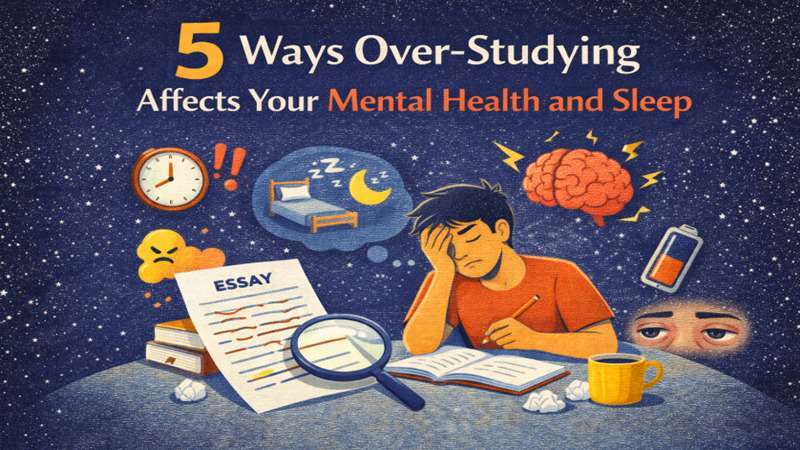
In the pursuit of academic excellence, many students adopt a “more is better” philosophy when it comes to studying. We’ve been conditioned to believe that pulling all-nighters and sacrificing weekends is a badge of honor. However, there is a point of diminishing returns where your brain stops absorbing information and starts breaking down.
For students in high-stakes fields—particularly those balancing clinical rotations and complex theory—the line between “dedicated” and “overwhelmed” is thin. When academic pressure becomes a permanent fixture of life, it doesn’t just affect your GPA; it fundamentally alters your physical and mental health.
Here are five ways over-studying sabotages your well-being and what you can do to reclaim your balance.
1. Chronic Elevation of Cortisol Levels
When you push your brain to study for 10 or 12 hours straight, your body enters a “fight or flight” state. To keep you awake and focused, the adrenal glands pump out cortisol, the body’s primary stress hormone.
While cortisol is helpful for short bursts of productivity, chronic elevation leads to:
- Increased anxiety and “brain fog.”
- Weakened immune system (getting sick more often).
- High blood pressure and heart palpitations.
2. The Deterioration of Sleep Architecture
Sleep isn’t just “down time”; it is when your brain performs “housekeeping.” During deep sleep, the glymphatic system flushes out toxins, and the hippocampus converts short-term study sessions into long-term memories.
Over-studying often leads to a “tired but wired” state. You might spend 14 hours at a desk, but when you finally lay down, your mind is racing with facts and deadlines. This leads to Sleep Maintenance Insomnia, where you wake up frequently throughout the night, never reaching the restorative REM cycles needed for cognitive function.
3. Cognitive Burnout and Memory Loss
Ironic as it may seem, studying too much can actually make you perform worse. Cognitive burnout occurs when the prefrontal cortex—the area responsible for logical thinking and decision-making—becomes fatigued.
Symptoms of cognitive burnout include:
- Reading the same paragraph five times without understanding it.
- Increased irritability with friends and family.
- A feeling of apathy or “numbness” toward your goals.
4. Vulnerability to Academic Burnout in Specialized Fields
Certain majors carry a heavier emotional and physical burden than others. For instance, nursing students don’t just study; they experience the emotional weight of patient care during clinicals while trying to master complex pharmacology.
The risk of burnout is significantly higher here because the stakes are life and death. To maintain mental clarity and ensure they are fit for clinical practice, many students find that using targeted nursing essay help allows them to focus on hands-on skills rather than burning out over academic paperwork. This balance is often the difference between a successful graduation and a mental health crisis.
5. Social Isolation and “Relational Health”
Human beings are social creatures. When you “over-study,” you often withdraw from social circles, skip gym sessions, and miss family dinners. This isolation removes your support system right when you need it most.
Relational health is a key component of overall wellness. Lack of social interaction is linked to higher rates of depression and a lack of perspective. Sometimes, the most “productive” thing a student can do is close the laptop and go for a walk with a friend.
How to Recover: The 50/10 Rule
To prevent the negative effects of over-studying, try the 50/10 Rule:
- 50 minutes of deep, focused study (no phone, no distractions).
- 10 minutes of movement (stretching, walking, or drinking water).
By breaking your day into manageable chunks and knowing when to ask for professional support, you can protect your mental health while still achieving your academic dreams.
About The Author
Hi, I’m Georgia Taylor. As an academic consultant and contributor at MyAssignmentHelp, I’ve spent years helping students navigate the high-pressure world of higher education. My work focuses on finding the balance between academic excellence and mental well-being, specifically helping students develop smarter study habits that don’t lead to burnout. When I’m not writing or mentoring, you can usually find me practicing yoga or exploring local coffee shops.